Lucknow, 7 October, 2026: Structural heart disease affects the valves and other important parts of the heart that help maintain normal blood flow. With advances in cardiology, several conditions that once required open-heart surgery can now, in suitable patients, be treated through minimally invasive procedures using thin tubes called catheters. These newer approaches are being increasingly used to treat aortic and mitral valve problems, as well as failing artificial heart valves.

One of the best-known examples is Transcatheter Aortic Valve implantation also called TAVI. It is used to treat a diseased aortic valve, particularly in older patients (>65 years age) or those for whom open-heart surgery may be risky. During TAVI, doctors pass a transcathter valve crimped and loaded over a thin tube (catheter) in an artery through the groin and guide it to the heart. The new valve is placed inside the diseased valve and inflated in position and this then starts working immediately, helping blood flow normalization almost instantaneously.
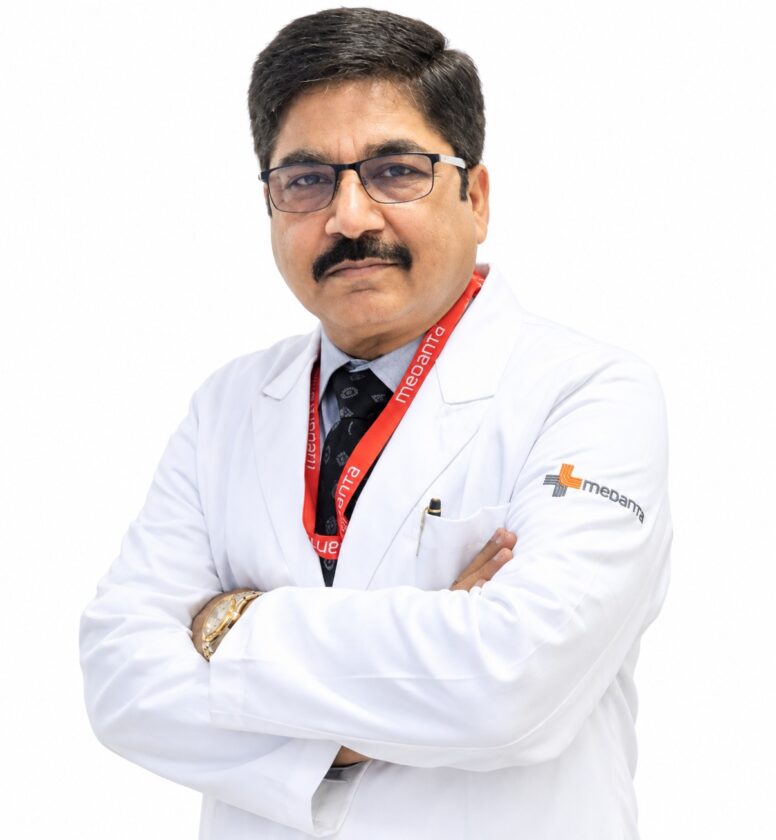
Explaining the progress in minimally invasive procedures, Dr. Pravin K Goel, Director, Interventional Cardiology at Medanta Lucknow said, “Structural heart interventions have changed the way we approach several forms of valve disease. Today, not every patient with a serious valve problem necessarily needs open-heart surgery. Depending on their age, symptoms, overall health and the condition of the valve, several patients may be treated through minimally invasive procedures. The important thing is to carefully assess each patient and choose the treatment that is safest and most appropriate for them.”
Similar advances have been made in treating mitral valve disease. One common problem is a leaking mitral valve, where blood flows backwards instead of moving forward efficiently through the heart producing a condition called “Mitral Regurgitation”. Earlier, many such patients would have required surgery. Today, selected patients, particularly those at higher risk from surgery, may be treated through a minimally invasive procedure known as mitral valve clipping. In this procedure, doctors guide a tiny clip loaded on a delivery catheter through a major vein in the groin (femoral vein) to the heart. The clip catches on to the mitral valve leaflet tips and helps it close more effectively and reducing the leakage.
Dr. Goel, who is one of Uttar Pradesh’s most experienced interventional cardiologists in advanced catheter-based techniques, having done the first TAVI of the state of Uttar Pradesh in 2016 said, “For carefully selected patients who may not be suitable candidates for conventional surgery, minimally invasive treatment can offer an important alternative. By reducing the leakage, these procedures can improve blood flow through the heart and potentially help patients breathe better and remain more active.”

Another important development is the use of valve-in-valve procedures for patients whose previously surgically implanted artificial biological valve has worn out over time. In selected cases, doctors can place a new valve inside the old one through a catheter, a procedure known as a valve-in-valve treatment. This can help some patients avoid another open-heart surgery.
Beyond TAVI and mitral valve interventions, the structural heart space continues to evolve with catheter-based approaches for other complex valve conditions and selected patients who were previously considered difficult to treat. However, these treatments are not suitable for everyone. Doctors need to carefully assess the patient’s condition, the structure of the heart and the risks involved before deciding on the best approach. In many cases, cardiologists, cardiac surgeons and imaging specialists work together to make this decision.
Dr. Goel explained, “Structural heart intervention is not a one-size-fits-all approach. The decision between surgery, a catheter-based intervention or continued medical management has to be individualised. At a specialised heart centre, advanced imaging and a multidisciplinary Heart Team can help determine the safest and most effective treatment pathway for each patient.”
As technology continues to advance, more patients with structural heart disease may be able to benefit from less invasive treatment options. However, early diagnosis remains important. Symptoms such as unexplained breathlessness, chest discomfort, unusual tiredness or a decline in the ability to perform everyday activities should not be ignored and may warrant a cardiac evaluation especially in individuals with increasing age.